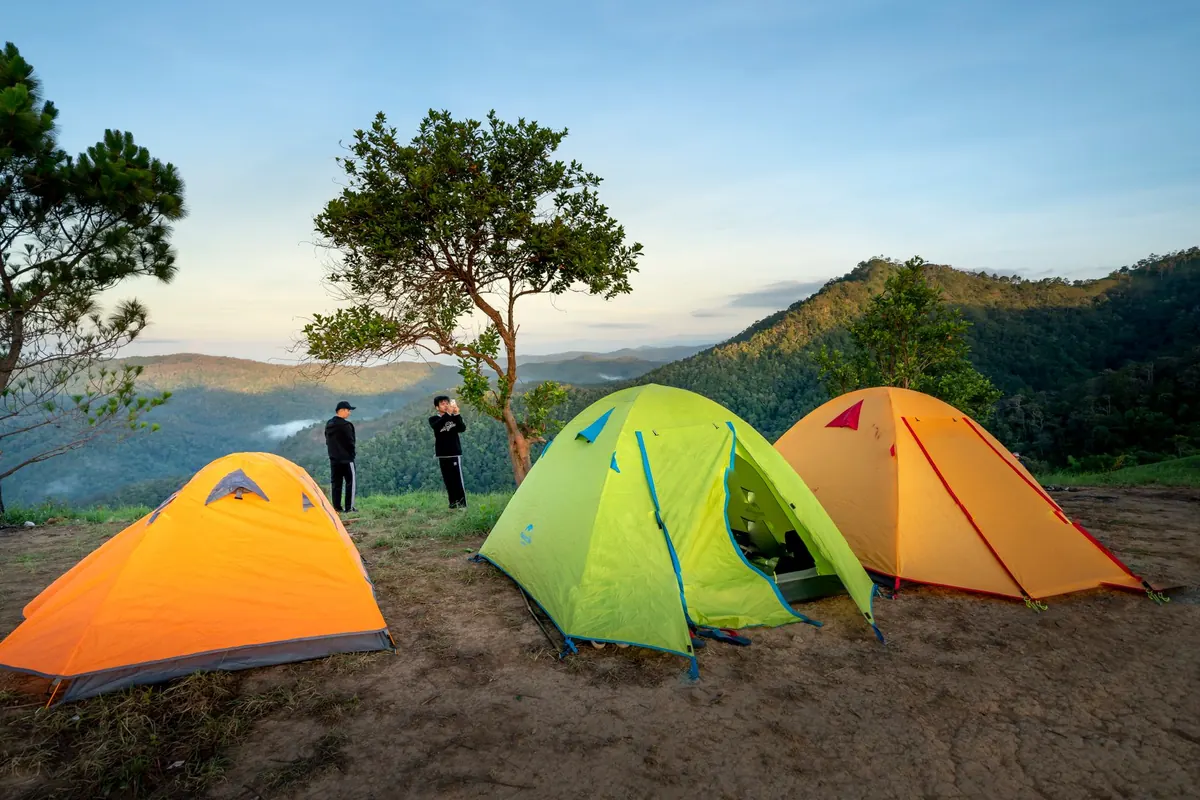
Cornwall and the Lake District both promise big days out on foot, but they ask different things of you. One hands you cliffs, sea air and a pub a short stumble from the sand. The other hands you proper mountains, slate walls and the feeling that dinner has been earned. Get the match wrong and you will spend a week in drizzle wondering why you bothered. Get it right and you will be booking the same fortnight next year.
Both are walkable without a car. Both have excellent ale and a shortage of parking in August. The differences matter more than the similarities.
Trails and Terrain
Cornwall: short climbs, endless repetition
Most walking holidays here revolve around the Cornish section of the South West Coast Path, with inland alternatives on Bodmin Moor when the wind turns spiteful. The classic stretch from St Ives to Zennor looks modest on paper, but the path drops into every combe and climbs back out again. Ten miles on the coast path can feel like fifteen anywhere else. Expect granite steps, gorse, stiles and views that stop you mid-stride.
Good bases include St Ives, Padstow, Falmouth, The Lizard, Mousehole and Bude. For a gentler day, the Camel Trail and the Saints' Way offer flatter miles.
The Lake District: sustained ascent, rocky ground
Fell walking is a different contract. The Fairfield Horseshoe from Ambleside, Helvellyn by Striding Edge, the Buttermere round or the long haul up Scafell Pike from Wasdale all demand more from your legs and your navigation. Days are measured in ascent as much as distance: 900 metres of climbing is a normal outing, not a big one. Ground is rocky, often loose, and cloud can swallow a ridge in minutes.
Good bases: Keswick, Ambleside, Borrowdale, Coniston, Pooley Bridge. Catbells and Loughrigg give you big views for modest effort.
Weather and When to Go
Cornwall is milder. Frost is rare on the coast, spring arrives early and October can be glorious. The trade-off is wind and sea fret — mist that rolls in and sits on the cliffs while inland villages bask. Rain tends to arrive sideways.
The Lake District is the wettest corner of England, and the rain comes fast. The same afternoon can be shirtsleeves in Ambleside and a full storm on the tops, so pack waterproofs every day regardless of the forecast. The upside is crisp winter days with temperature inversions, when the valleys sit under cloud and the summits are clear.
Best windows for both: late April to June, and September into October. If you want snow and ice on high ground, you also want the skills and kit to match, or you stay low. Check mountain forecasts before committing to a ridge.
Crowds and Peak Season
Cornwall's problem is not the path, it is the lanes. In July and August, parking at Kynance Cove, Sennen and Polzeath fills early, and St Ives and Padstow are heaving by mid-morning. Walk before nine or after four and the coast path empties out surprisingly fast — a mile from any car park you can have the cliff to yourself.
The Lakes has the same pattern in a smaller space. Bowness, Ambleside, Grasmere and Keswick are busy, as are Catbells, Helvellyn and the Scafell Pike tracks. Head for Wasdale, Ennerdale, Longsleddale or the quiet northern fells around Caldbeck and you will meet sheep and not much else. Midweek, outside school holidays, is the single best fix for both.
Pubs, Food and Beds
Cornwall does seafood and proper pasties, and there is usually a pub within reach of the day's end — the Gurnard's Head near Zennor, the Old Success at Sennen Cove, the Ship Inn at Mousehole. Kitchens close early out of season, and popular places need booking days ahead.
The Lakes specialises in walkers' inns: the Old Dungeon Ghyll in Great Langdale, the Wasdale Head Inn, Sticklebarn near Ambleside. Bunkhouses, hostels and campsites are plentiful, which keeps a week affordable. In Cornwall, self-catering cottages are the default, so plan shopping around village shops that shut at five.
Public Transport
This is where Cornwall quietly wins. Branch lines and seasonal buses knit the coast path together, so you can walk point to point without a car.
- St Erth to St Ives on the St Ives Bay Line — one of the prettiest short journeys in Britain, with a beachside stop at Carbis Bay.
- Liskeard to Looe, Truro to Falmouth, Par to Newquay, and the Tamar Valley line to Calstock and Gunnislake.
- Seasonal coastal buses, plus the Padstow–Rock ferry, which saves a long detour around the Camel.
- In the Lakes: the Oxenholme–Windermere branch line, the 555 along Windermere to Keswick, the open-top 599, the Borrowdale and Honister services, and Ullswater steamers linking with buses at Glenridding.
Two cautions. Many Cornish coastal buses run Easter to October only, and Sunday services in both regions are thin. Build your day around the last bus, not the first, and keep a taxi number in your pocket as backup.
So Which One?
Cornwall suits mixed-ability groups, dog-friendly trips, gentler daily ascent and anyone who wants sea views with their sandwich. The Lakes suits fitter walkers who want altitude, ridges and the satisfaction of a summit. If you have a fortnight, do both — a week of coastal miles followed by a week of fells is a genuinely excellent holiday.
Practical Tips Before You Book
Book accommodation early, especially in Cornwall between June and September, and choose a base on a bus route or railway line. Carry a paper map and compass alongside your phone; signal on both coast and fell is patchy, and batteries die in the cold. Waterproof jacket, spare layer, hat and gloves go in the bag whatever the morning looks like. Tell someone your route and expected return time.
Above all, match the day to the weather rather than to the plan. A low-level walk in horizontal rain is a good day; a ridge in the same conditions is not. On the coast, check tide times before any beach section and treat wet granite and cliff edges with respect. If you are unsure about fitness,
Photo: mat_hias / Pixabay