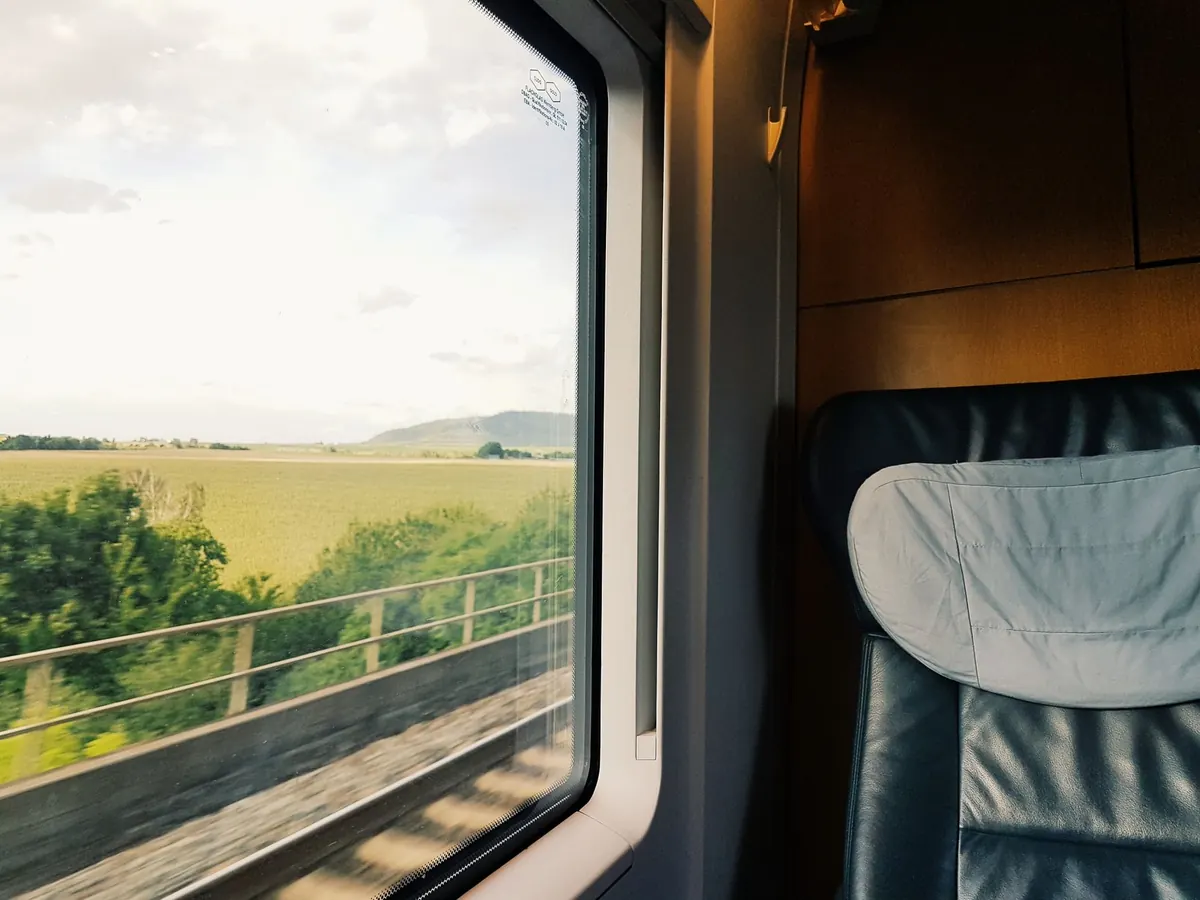
Somewhere south of the Alps, at about four in the morning, I gave up on sleep and sat in the corridor with a paper cup of coffee, watching black fields slide past. I had nineteen days, a rail pass and an itinerary I had spent weeks assembling. By then it had been rewritten twice and quietly abandoned once, replaced by something simpler: get on a train, stay on it until the view changed, then work out what to do next.
The trip took me through six countries, mostly alone, mostly overland. It also taught me more about slow travel than any book on the subject has managed.
The night train does something a daytime route can't
My first sleeper was a six-berth couchette: three bunks stacked either side of a corridor the width of a cupboard. A man in the opposite berth had brought his own thermos. A woman two bunks up slept through the border checks with her coat over her head. At some point the train stopped for twenty minutes in the middle of nowhere and nobody explained why, and it didn't matter.
What a sleeper really buys you is not romance. It's a collapsed distance. You fall asleep in one country and eat breakfast in another, and the day you would have spent travelling has been handed back to you intact. I slept badly and arrived rested, a contradiction I have stopped trying to explain.
Small things that make a berth bearable
- Earplugs and an eye mask, every time. Carriage doors, coughing and unexplained shunting are not negotiable.
- A refillable bottle. Water from the tap on board is not always available; fill up on the platform.
- Choose a lower berth if you would rather not climb a ladder in the dark with your shoes in one hand.
- Keep passport, cards and phone in one small bag you can sleep with at your feet, not in the overhead rack.
- Pack so your overnight things sit on top of everything else. You are unpacking in the dark, in a space the size of a wardrobe.
The missed connection that saved the trip
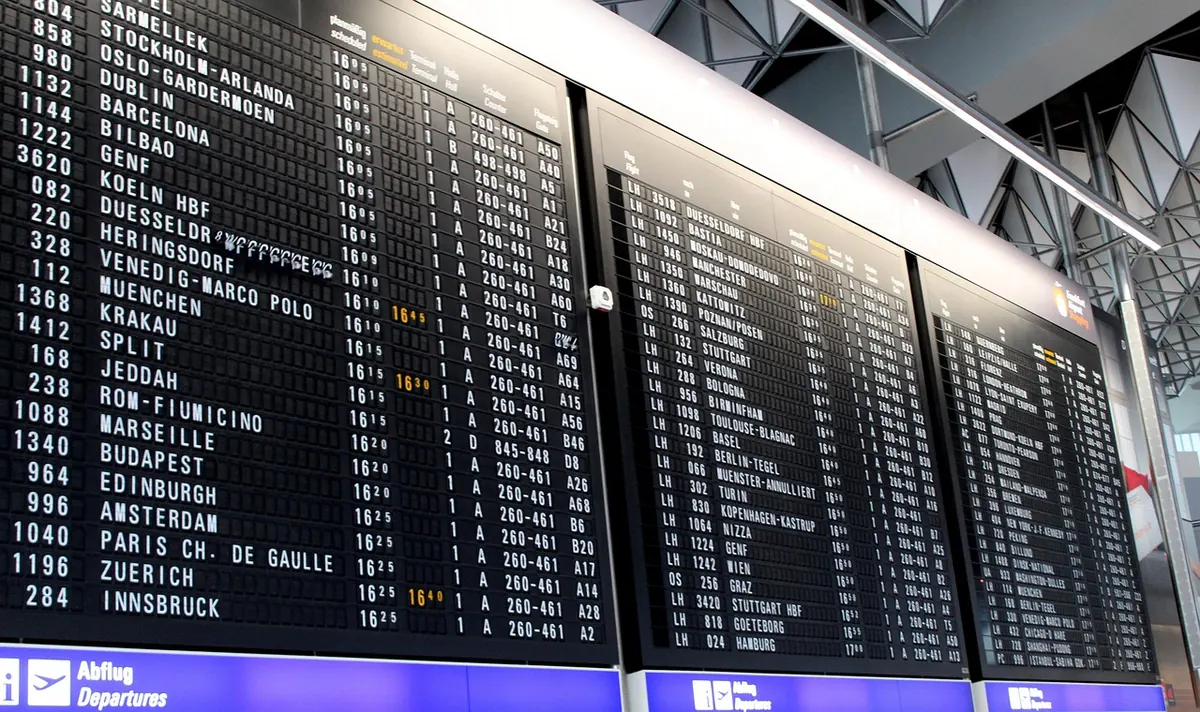
I missed a connection at a junction town in Austria because I had given myself eleven minutes to change platforms and the first train ran late. I ran. The doors shut in front of me with that particular finality that train doors have. The next service was in three hours.
So I walked into town, bought a pastry still warm from the oven, and sat on a bench while a market set itself up around me: crates, awnings, a man arguing cheerfully with a van driver. When I finally boarded, I was annoyed with myself for about ten minutes and then forgot to be. That afternoon is one of the clearest memories of the whole month, and it exists purely because my timetable failed.
Waiting is not dead time. It is untimetabled time, which is a different thing entirely, and the longer the trip the more I wanted it.
How to build slack into a rail itinerary
- Count changes, not just total journey length. Two changes on a rural route are riskier than one on a main line.
- Give cross-border connections an hour or more, especially if you do not speak the language of the announcements.
- If a connection is tight and you cannot avoid it, book a room in the change city and treat the stopover as part of the trip.
- Aim for one main leg per day, then stop. Two long legs in a row will flatten you.
- Keep the last leg of any day short, so a delay does not mean arriving after dark.
Booking slowly, without over-planning
I bought a flexible pass before I left and paid for a handful of reservations as I went. If I did it again, I would research both options properly first: point-to-point tickets booked in advance suit a fixed route, while a pass suits the kind of trip where you want to change your mind on a Tuesday. For sleeper berths and many high-speed services, a seat or berth reservation is compulsory, and they do sell out — particularly in summer and around public holidays. Book those as early as you can, and leave the rest loose.
Two habits helped more than any app. I checked timetables the night before rather than in the moment, in a station, with a bag on my shoulder. And I kept offline copies of every ticket and reservation, because there is always one platform where the signal disappears. Fares, pass conditions and reservation rules change regularly, so check the current details with the operator or a reputable rail planning site before you commit money.
The days I did nothing were the ones that stuck
Halfway through the trip I spent a full afternoon in a city park with two chapters of a novel and a second coffee I didn't need. I watched a group of teenagers fail repeatedly to land a skateboard trick, and a man feed pigeons with real commitment. That was the whole itinerary.
Earlier in the trip I would have called that a wasted day. Itinerary greed is the real enemy of slow travel: the belief that because you are somewhere new, every hour must produce something. It doesn't. Unhurried travel is not about moving slowly for its own sake; it is about refusing to spend a day you have paid for in a state of low-level panic.
What I'd tell anyone planning a first long rail trip
- Pick three or four anchor points and leave the space between them blank.
- Travel light enough to carry your bag up a flight of stairs without stopping. That is the real weight limit.
- Take one overnight train, at least once. It is worth one bad night's sleep to learn what it feels like.
- Eat where the platform staff eat, usually the small counter near the ticket hall.
- Keep a paper note of your route and bookings. Phones die at the worst possible moment.
- Say yes to the stop you didn't plan. That is the entire method.
I came home with no new countries ticked off a list and no photographs worth framing. What I came home with was a better sense of how long things genuinely take, and how little of that time needs filling. The next train I miss, I intend to enjoy.
Photo: Daniel Frese / Pexels