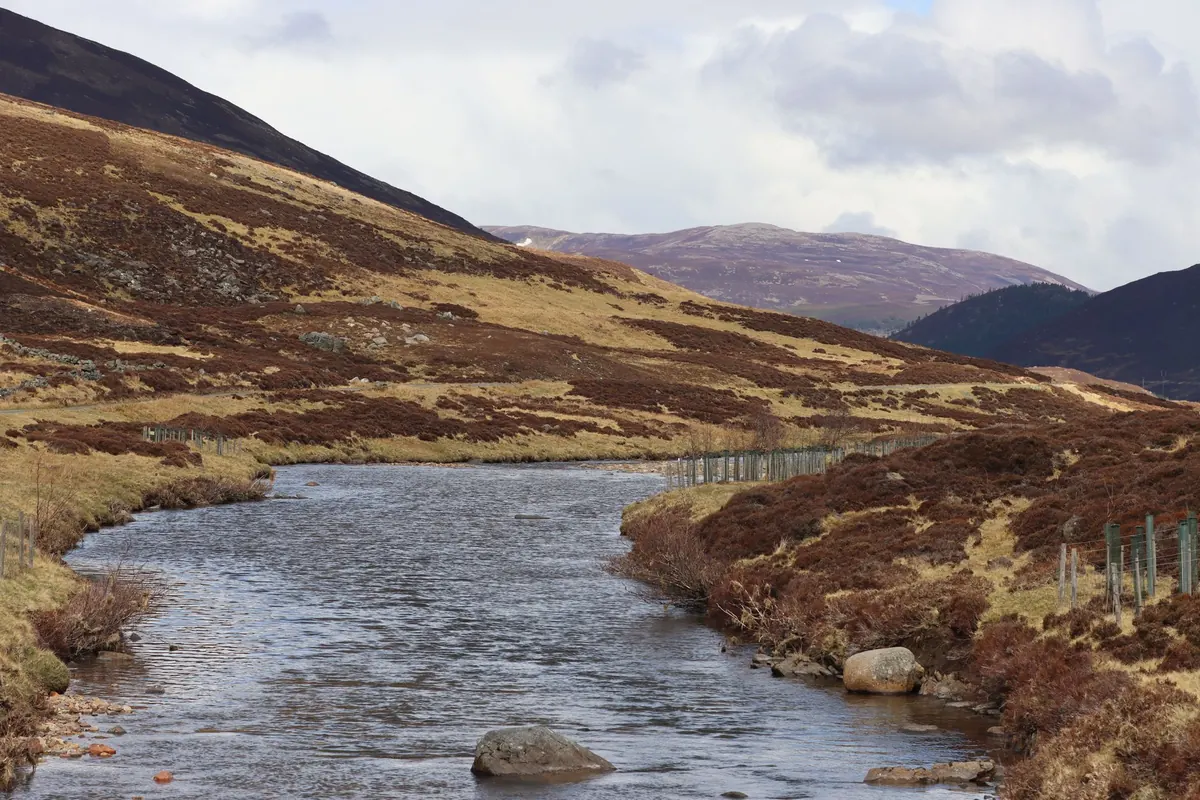
Autumn in the Scottish Highlands is short and unrepeatable. One week the birches above Glen Affric are still green; the next they are gold above hillsides of rust-coloured bracken. Time it well, with the right gear and a sensible plan, and you will see the Highlands at their most beautiful and their quietest. Turn up unprepared in October and you will spend a week soaked, bitten and driving in the dark. This is the version of the trip I would recommend to a friend.
When autumn actually arrives
The turning begins in the north and at height. From mid-September, rowan and birch start to change around Inverness, Aviemore and the Great Glen, with the higher slopes going first. Late September to mid-October is the sweet spot for most visitors: strong colour, thinner crowds than summer, and far fewer midges. Larch holds on longer, giving a second, softer flush of gold into late October and early November.
Two things shrink as the season runs on: daylight and opening hours. By mid-October you have roughly ten or eleven hours of usable light, and once the clocks go back on the last Sunday in October, darkness arrives before five. Boat trips, visitor centres, cafés, hostels and campsites start closing or cutting their hours, so check ahead rather than assuming somewhere will be open.
What the weather does, and what to pack
Expect several seasons in one day, and treat rain as the default rather than the exception. The west coast, from Fort William up to Ullapool, is noticeably wetter and windier; the east side — Moray, the Cairngorms, much of Perthshire — is drier and often brighter. Wind is the thing people underestimate. A still, sunny afternoon at low level can be a bitter one on a summit, and the temperature drops fast once the sun goes.
Pack layers rather than one heavy coat, and make sure the outer layer is genuinely waterproof rather than shower-resistant.
- Waterproof jacket and over-trousers, plus a small dry bag or rucksack liner for your phone and camera.
- Walking boots with proper grip — wet leaves on rock and wooden boardwalks are genuinely slippy.
- Base layer, fleece or light synthetic jacket, and a warm hat and gloves. Gloves in September feel silly until you are on a ridge in a northerly wind.
- Head torch. Sunset is earlier than you think, and a wrong turn on a hill path in the dark is no fun.
- Paper map, compass and a charged power bank. Rural mobile coverage is patchy at best.
- A midge head net and repellent, even in October.
Getting there and getting around
By train and coach
The Caledonian Sleeper from London Euston reaches Inverness and Fort William overnight, which saves a day of travelling and starts the trip with a genuine sense of arrival. ScotRail's Highland lines are attractions in themselves: Inverness to Kyle of Lochalsh, Inverness to Thurso and Wick, and the West Highland Line from Glasgow to Mallaig. Book seats in advance, especially around half-term, and check for engineering works on Sundays. Long-distance Citylink coaches fill the gaps the trains leave, particularly in the north-west.
By car
A car gives you the freedom this region demands, but book well ahead — autumn availability in Inverness and Fort William tightens quickly, and automatics are limited. Expect single-track roads with passing places: pull into them to let faster traffic past, and never park in one, because someone else will need it. Fuel up when you can rather than when you must; the gaps between stations in Sutherland and Wester Ross are long. Watch for deer at dawn and dusk, and be realistic about driving times. Forty miles on a single-track road with photo stops is not a forty-minute drive.
A week that works
This loop starts and finishes in Inverness, which has the best transport links and a good base for the first night.
- Day one: Inverness and the Moray Firth. A gentle introduction — the woods at Reelig Glen, or Chanonry Point on the Black Isle, where you can watch for dolphins from the shore.
- Day two: Glen Affric, the classic autumn birch wood. Walk part of the Affric Kintail Way and give yourself a full afternoon here.
- Day three: Drive west to Torridon. Beinn Eighe's lower paths give you huge views without a serious climb, and the light on the Torridon sandstone in October is superb.
- Day four: Skye, or Assynt instead. Skye in autumn is quieter but still busy at the Quiraing and Fairy Pools; Assynt, around Lochinver and Suilven, is emptier and every bit as dramatic.
- Day five: Head south past Eilean Donan castle and through Glen Shiel to Fort William. Stop at Glen Garry for a coffee if the weather is closing in.
- Day six: Glencoe and Glen Etive. The backdrop is at its most atmospheric with cloud on the ridges, and the waterfalls along the A82 are at their best after rain.
- Day seven: The Cairngorms, then back to Inverness. Rothiemurchus and Glenmore have pine forest, easy trails and red squirrels.
Cut a day from Skye before you cut Glen Affric or Torridon. Driving less and walking more is almost always the better trip.
Midges: the realistic version
Midges peak from late May to August, and by late September numbers are usually low. But a mild, still, damp day can bring them out again, particularly near water and woodland at dawn and dusk. Breeze is your best defence: exposed, sunlit ground and any bit of wind will keep them away. Where that fails, a repellent containing DEET or picaridin, long sleeves, and a cheap head net will get you through an evening. Light-coloured clothing is said to help; it costs nothing to try. If you have sensitive skin or a known reaction to insect bites, ask a pharmacist for advice before you travel.
Practical notes before you book
Book accommodation early for the first week of October and around half-term. Self-catering and small guesthouses in the north-west fill fastest, and a lot of them close for winter in early November.
Check a mountain weather forecast the night before any hill day and be willing to change your plan. Tell someone where you are going and when you expect to be back, carry a charged phone, and remember that in an emergency you dial 999 and ask for the police, who will call out mountain rescue. None of this is about scaring yourself — it is simply how you make a week here feel relaxed rather than risky. Pack for the rain, expect the colours, and leave room in the schedule for the day the clouds lift.
Photo: Normunds Ispwich / Pexels